Following the Evidence Carefully
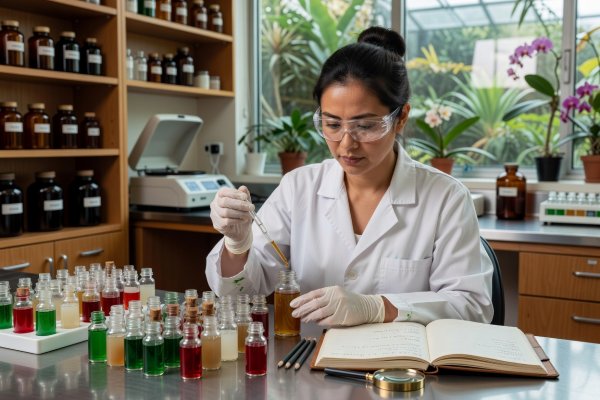
Modern pharmacology owes a cultural debt to traditional botanical observation, yet scientific inquiry demands that every historical assertion face systematic testing, chromatographic verification, and toxicological analysis.
Where Modern Science Meets Ancient Text
-
01
Phytochemical Screening
Secondary Metabolite Isolation
Plants evolve secondary metabolites—alkaloids, flavonoids, terpenoids, and saponins—chiefly as defense mechanisms against herbivory and pathogens. Modern research investigates whether these defensive chemistries interact with human biological receptors.
-
02
Toxicology & Safety
Unmasking Chronic and Acute Toxicity
Ancient records frequently missed chronic organ damage. Plants containing aristolochic acid or pyrrolizidine alkaloids were revered historically, but are known today to trigger severe nephrotoxicity and carcinogenic liver damage.
-
03
Clinical Trials
The Gold Standard of Controlled Testing
Historical testimony is inherently subjective and prone to placebo effects, confirmation bias, and spontaneous natural recovery. Modern evidence requires randomized, double-blind, placebo-controlled trials before any therapeutic claim is recognized.
A Clear Boundary: Education, Not Prescriptions
Our objective is historical illumination. We do not evaluate herbal supplements for consumer use, endorse remedies, or advise on dosage. If you have medical concerns, consult licensed clinical healthcare providers.
Bioprospecting, Indigenous Rights, and the Nagoya Protocol
The study of traditional botanical knowledge intersects with critical questions of human rights and cultural heritage:
Indigenous Intellectual Property
For centuries, colonial powers collected medicinal plant knowledge from indigenous peoples without attribution or compensation. Contemporary researchers operate under strict ethical guidelines requiring prior informed consent.
The Nagoya Protocol
Adopted under the Convention on Biological Diversity, this international agreement ensures the fair and equitable sharing of benefits arising from the utilization of genetic resources and associated traditional knowledge.